
By Jose Axel
Last Updated Jul 29, 2026PushWiki looks like a broad online knowledge platform, but its actual identity is less straightforward. The website publishes accessible articles across technology, business, education, health, finance, law and travel, yet it provides little information about who runs it, how articles are reviewed or why certain companies receive prominent links.
After examining its category structure, author pages, sourcing, writing patterns and specialist content, PushWiki appears most useful as a starting point for general research. It is readable and occasionally informative, but it does not yet provide the transparency, expertise or editorial safeguards expected from an authoritative reference site.
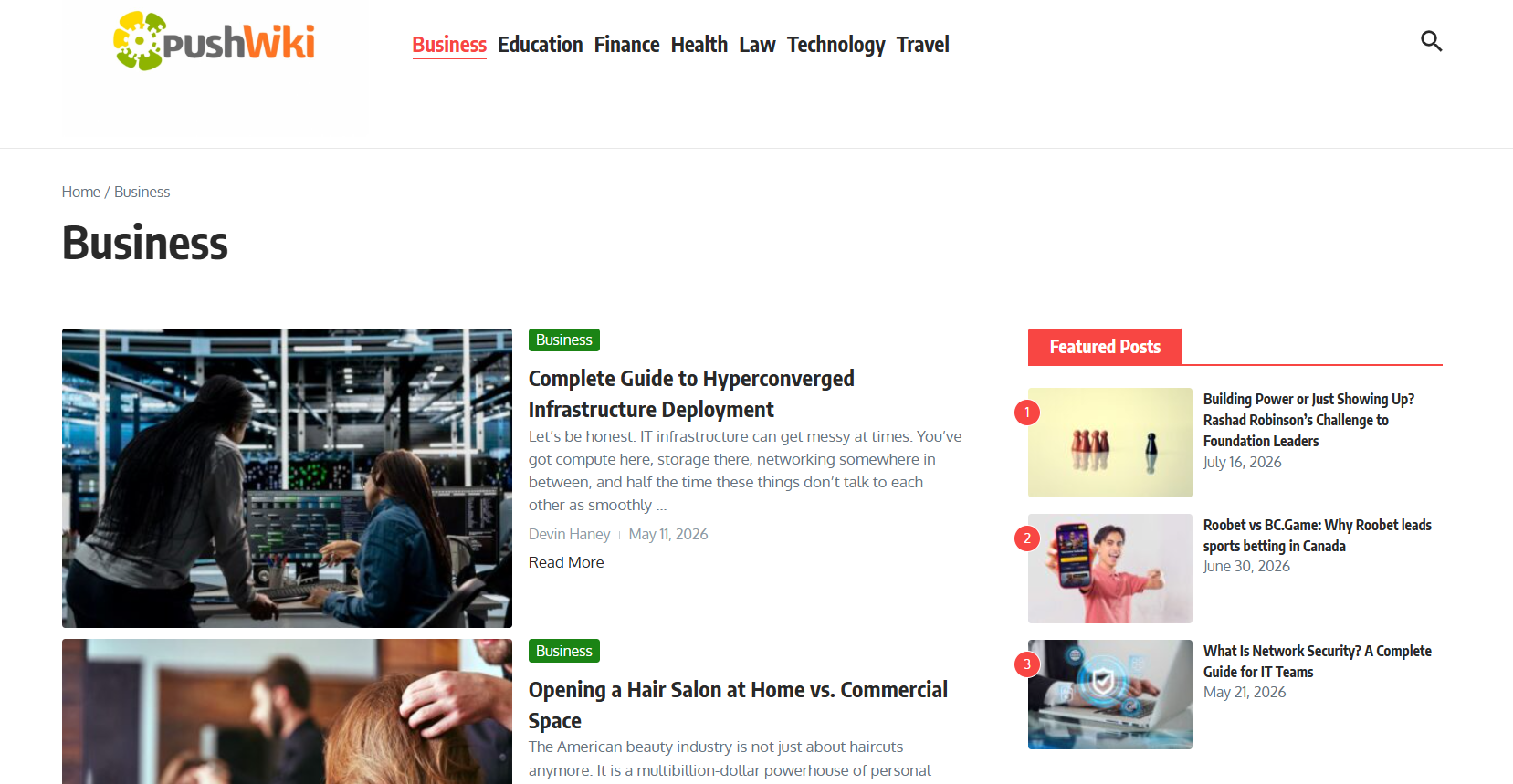
PushWiki describes itself as a collaborative knowledge platform created to make information clearer and more accessible. That description sounds closer to an open knowledge project than the website readers actually encounter.
A conventional wiki normally allows public editing, documents revisions, identifies contributors and makes the development of each page visible. PushWiki does not appear to offer those features. Its pages follow a standard blog format with article titles, publication dates, bylines, categories and comment sections.
The site is therefore better understood as a multi-topic informational blog and content-publishing platform, not a traditional wiki.
That distinction matters. The word “wiki” can imply collective oversight and transparent updating. PushWiki gives readers finished articles, but it does not show who checked them, what changes were made or whether subject specialists were involved.
| Area | PushWiki at a Glance |
| Website format | General information and article-publishing blog |
| Main navigation | Business, Education, Finance, Health, Law, Technology and Travel |
| Strongest content area | Technology |
| Access | Free, with no visible subscription requirement |
| Public contact | A Gmail address displayed on the site |
| Editorial identity | Broad, but not clearly defined |

PushWiki’s navigation presents seven main categories, although its full archive contains several additional sections, including Digital Marketing, Blog, Lifestyle, Crypto, Entertainment, Fashion, Pets, Trading and Online Game.
Technology is the most populated main category, followed by Business. Health, Finance, Law and Travel contain much smaller collections. Some categories outside the navigation have more articles than sections that appear in the main menu, while others contain only one or two posts.
This creates two problems.
1. First, the website appears more organised from the main navigation than it is beneath the surface. Readers are shown seven editorial areas, but the archive reveals a much wider collection of loosely connected topics.
2. Second, the site does not have an obvious central specialism. Technology, marketing, legal guidance, investment commentary, travel ideas, pet advice, health explainers and gambling-related content all sit under one publishing identity.
A general publication can cover many subjects successfully, but it needs strong editorial leadership to maintain consistent standards. PushWiki does not explain how its categories are managed, what expertise is required or whether different subjects receive different levels of review.
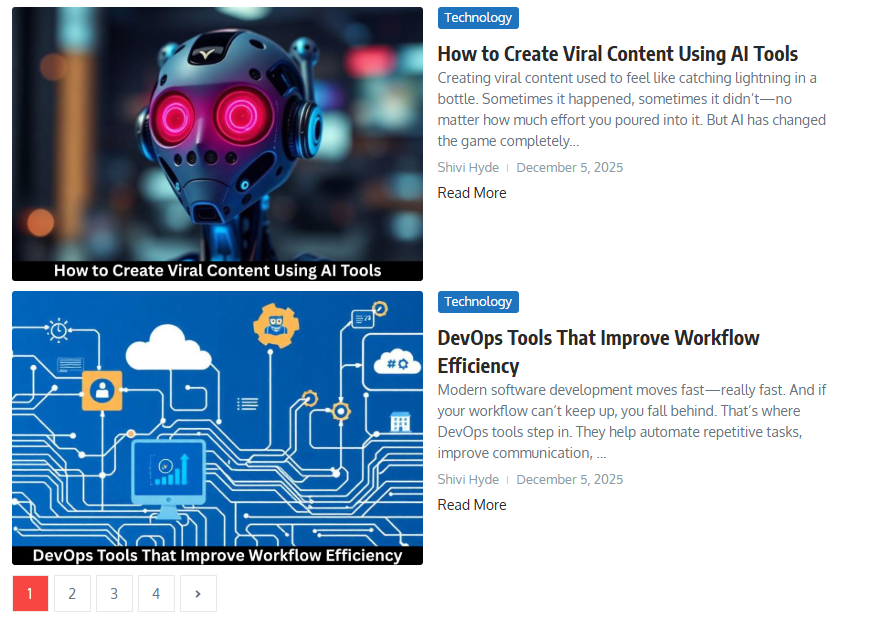
Technology is PushWiki’s strongest section by volume. It covers cybersecurity, artificial intelligence, cloud systems, website development, virtual reality and enterprise software.
Several articles explain technical concepts in clear language, which makes the section useful for beginners. The better pieces define terminology, organise ideas logically and point readers towards recognised industry sources.
The weakness is authority. PushWiki does not show whether its technology writers have backgrounds in software, engineering, IT operations or security. Readers may understand the basic concept after reading an article, but they are given little reason to trust complex technical recommendations without checking specialist sources.
The Business category contains material on salons, shipping services, enterprise technology, tax-related mileage, debt-management software, digital services and online selling.
The range is wide enough to attract different search audiences, but it does not feel like a coherent business publication. Many articles appear to be built around isolated keywords, companies or services rather than part of a sustained editorial programme.
Some posts introduce commercial tools or providers early in the article. That is not automatically improper, but the site rarely explains how the company was selected or whether the placement was paid, contributed or independently chosen.
Education and Travel contain readable introductory material, although both sections tend to stay at a general level. There is only six blog visible in Travel category. Readers may find useful ideas, but there is limited original reporting, classroom evidence, first-hand travel documentation or current official information.
Finance and Law require greater caution. These categories cover topics that can affect investments, taxes, legal rights and personal decisions, yet the site does not consistently identify qualified reviewers, jurisdictions or primary authorities and there is only five blogs in law section.
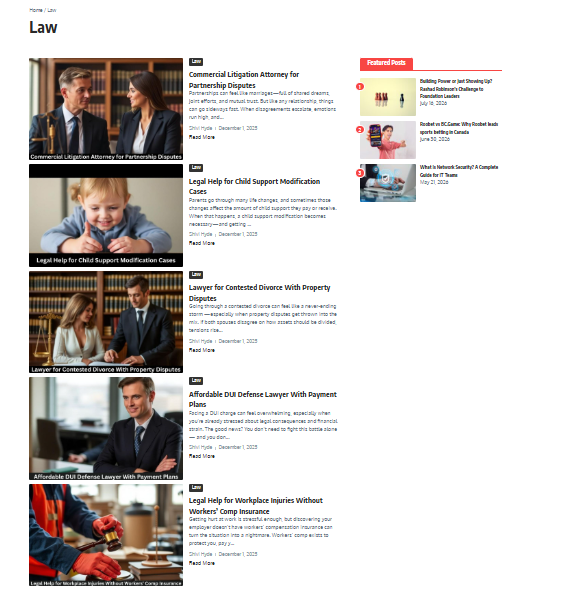
The issue is not that a small category cannot be useful. It is that specialist advice needs stronger evidence than PushWiki currently displays.
PushWiki’s greatest strength is readability. Most articles use straightforward language, clear headings and short paragraphs. Complicated subjects are usually introduced without excessive terminology. A reader unfamiliar with cybersecurity, education technology or business software can understand the basic idea without needing specialist knowledge.
The articles also follow a predictable structure. Most begin with a broad introduction, move through definitions and practical points, and close with a conclusion or frequently asked questions.
That structure supports quick reading, but it also makes much of the content feel manufactured around search queries. The writing often covers the expected points without developing a distinctive argument or uncovering anything original.
There is little evidence of:
● First-hand product testing supported by screenshots, measurements or documented procedures.
● Interviews with professionals who can challenge or qualify the writer’s claims.
● Original data, surveys, case studies or reporting conducted specifically for the article.
● Clear explanations of how recommendations were researched and selected.
This does not make the articles worthless. It limits what they can reliably do.
PushWiki is generally effective at answering, “What does this term mean?” It is less convincing when answering, “What should I trust, choose or do next?”

Most PushWiki articles are attributed to Shivi Hyde or Devin Haney. Some newer posts use a generic publishing account rather than a clearly named individual.
The author links lead to article archives, but the profiles provide little meaningful information about the writers themselves. Readers are not shown substantial biographies, qualifications, professional roles, areas of expertise or links to verifiable work elsewhere.
This becomes more important when the same authors cover many unrelated subjects. A writer may move from cybersecurity to travel, law, healthcare, pets and business services. Generalist writers can produce accurate material across different fields, but only when their research and review process is strong. PushWiki does not show that process.
A credible author page should help readers answer several basic questions:
● What experience does this person have with the subject?
● Did the writer test the product, visit the location or speak with experts?
● Was the article checked by a qualified professional?
● Is the writer a staff member, freelance contributor or commercial partner?
PushWiki’s bylines identify who published the article, but they do not establish why the writer should be trusted.

PushWiki’s Health category is small and covers a mixed collection of subjects, including exercise, mental wellbeing, artificial intelligence in diagnostics, nanotechnology and beauty products.
Health content deserves stricter scrutiny because it can influence decisions about symptoms, treatment and professional care. PushWiki does not visibly identify qualified doctors, clinicians or medical reviewers on the health articles examined.
Several posts make broad claims about anxiety, hormones, brain activity, diagnostic performance or treatment-related technologies without consistently showing the research behind those statements. The language is often clear and confident, but readers are not given enough information to judge whether the claims were clinically reviewed.
This does not mean every health article is inaccurate. Some may provide useful background information. The problem is that PushWiki offers no reliable way to separate carefully checked health guidance from simplified general content.
Its health articles should therefore be used for basic reading, not diagnosis, medication decisions or choices about delaying professional care.
PushWiki’s sourcing varies from article to article. Some technology posts link to recognised organisations or established industry websites. These references make it easier for readers to verify important claims and continue their research.
Other articles make medical, legal, financial or psychological statements without linking to primary evidence. In several cases, the most visible external link points to a product, service or company connected to the topic.
A commercial link is not the same as an independent source. A company website can explain what a product does, but it cannot objectively prove that the product is the safest, most effective or best option. Articles should distinguish clearly between evidence, company claims and the writer’s own opinion.
PushWiki would become more dependable by consistently linking to:
● Government agencies for laws, regulations, public health and tax rules.
● Peer-reviewed research for medical, scientific and psychological claims.
● Official documentation for technical standards and software information.
● Regulatory filings and current market data for investment-related content.
● Independent testing or documented review methods for product recommendations.
At present, readers have to judge the strength of each article individually because the site does not apply an obvious sourcing standard across all categories.
PushWiki’s homepage refers to Rank Up Bytes, a digital marketing agency associated with guest posting and link-building services.
That reference offers an important clue about the website’s publishing model. PushWiki may function partly as a destination for contributed articles and commercial link placements.
Guest content is common across online publishing and is not automatically unreliable. A contributed article can be useful when it is reviewed carefully, supported by evidence and labelled accurately.
The problem is disclosure. PushWiki does not consistently tell readers whether an article is:
● Written independently by the site’s editorial team.
● Submitted by a guest contributor.
● Sponsored by a business or agency.
● Created to support a paid backlink.
● Connected to an affiliate or commercial relationship.
Without that information, readers cannot judge whether a recommendation exists because the writer genuinely selected it or because the article was created around a commercial placement.
Transparency would not weaken the site. It would help readers interpret its content more fairly.
PushWiki provides limited information about the organisation behind the website.
The site displays a Gmail contact address, but it does not prominently identify a registered company, publication owner, managing editor or editorial board. Its public description explains the type of information it wants to provide, but not who is responsible for the final content.
There is also no clearly visible explanation of:
● The editorial review process.
● The standard required for accepting guest articles.
● How factual errors are reported and corrected.
● Whether older articles are reviewed for accuracy.
● How conflicts of interest are handled.
● Which links or articles involve payment.
A small independent website does not need a large newsroom to be credible. It does need to tell readers who is responsible and how decisions are made.
PushWiki’s limited organisational information leaves an accountability gap. A reader who finds a medical error, legal problem or misleading commercial claim has little indication of who will investigate it.
Experience, expertise, authoritativeness and trustworthiness provide a useful framework for assessing PushWiki. They are particularly relevant because the site publishes across sensitive areas as well as low-risk general topics.
| Area | Assessment |
| Experience | Limited evidence of first-hand testing, original reporting, direct professional work or documented personal use. |
| Expertise | Author qualifications and specialist reviewer credentials are not clearly provided. |
| Authoritativeness | Technology has some depth, but the site has not built recognised authority in one defined field. |
| Trustworthiness | Readable articles and visible dates help, but unclear ownership, uneven sourcing and weak commercial disclosures reduce confidence. |
Trust is the central weakness. A reader can see when an article was published and who uploaded it, but often cannot tell who checked it, how the claims were verified or whether a business influenced its creation.
PushWiki should not be dismissed simply because its editorial systems are underdeveloped. The site has several practical strengths.
● The writing is accessible enough for beginners. Articles generally explain basic terminology without assuming specialist knowledge, making unfamiliar subjects easier to approach.
● The website is free and uncomplicated to use. Readers can open complete articles without paying, registering or moving through a difficult interface.
● Technology coverage has genuine breadth. Although specialist credentials are unclear, the section covers more than a single trend and gives readers introductions to several technical areas.
● Some articles provide a useful research starting point. Readers can learn the vocabulary of a subject before moving to government, academic or professional sources.
These advantages explain why PushWiki may still attract readers despite its transparency problems.
PushWiki’s limitations are not mainly about design. They concern the evidence and accountability behind the content.
The site covers too many specialist subjects without showing how the writers are qualified to discuss them. Author pages reveal output, not expertise. Important claims are not sourced consistently, and commercial links appear without clear explanations of why they were included.
The category system also gives an inflated sense of breadth. Some sections contain substantial archives, while others have only a handful of loosely related posts. Larger hidden categories sit outside the main navigation, which makes the publishing structure feel improvised.
Most importantly, PushWiki does not make its editorial process visible. Readers cannot easily distinguish independent research from guest publishing, paid placement or commercial collaboration.
PushWiki is best used at the beginning of research rather than the end.
It can help readers understand basic terminology, discover related topics and identify questions that deserve deeper investigation. It becomes less dependable when an article recommends a specific product, interprets a law, predicts an investment or makes claims about health outcomes.
Readers should pause when an article:
● Makes a consequential claim without linking to an official or primary source.
● Recommends a company without explaining how it was assessed.
● Discusses legal or financial rules without naming the relevant jurisdiction.
● Presents medical information without a named professional reviewer.
● Uses confident conclusions while providing little evidence behind them.
For general lifestyle or introductory technology content, independent checking may be relatively simple. For health, finance, law and cybersecurity, readers should consult the original authority or an appropriately qualified professional.
PushWiki is a readable multi-topic blog with a stronger technology presence than its other categories. It offers straightforward explanations, free access and a simple browsing experience. Several articles can help beginners understand the basic shape of an unfamiliar subject.
The site becomes less convincing when judged as a knowledge authority. Its name and self-description imply a collaborative information platform, but readers are not shown public editing, contributor histories or transparent revision systems. Author profiles lack credentials. Ownership is unclear. Specialist articles do not consistently identify qualified reviewers, while commercial links and guest-publishing relationships are insufficiently disclosed.
None of these problems proves that every article is inaccurate. PushWiki’s quality is uneven rather than uniformly poor. Some pages are sensible and useful, while others provide too little evidence for the confidence of their claims.
The most accurate conclusion is that PushWiki is a general research starting point, not a final authority. Readers can use it to learn basic concepts, but health guidance, legal information, investment commentary, technical security advice and product recommendations should be verified elsewhere.
| Final Area | Rating |
| Readability | Good |
| Beginner usefulness | Moderate to good |
| Category consistency | Weak |
| Original reporting | Limited |
| Author transparency | Weak |
| Editorial transparency | Weak |
| Source quality | Inconsistent |
| Health reliability | Low as a standalone source |
| Overall trustworthiness | Low to moderate |
PushWiki has the foundations of a useful general publication, but it needs stronger author profiles, clearer ownership, consistent sourcing and visible commercial disclosures before readers can treat it as a dependable knowledge platform.
Be the first to post comment!