
By Jose Axel
Last Updated Sep 16, 2026Clinical engineers and medical procurement teams need a reliable medical device supplier scorecard to properly vet a medical device manufacturer for custom photobiomodulation and red light therapy device partnerships. Beyond surface-level pricing and product specs, verifying a supplier’s B2B customization capacity, regulatory compliance, traceable documentation, and manufacturing consistency protects clinic operations, private-label brands, and long-term supply chain stability.
TL;DR
• Trusted red light therapy device supplier and medical device contract manufacturer prove performance through third-party testing data, not marketing spec sheets, especially for custom red light therapy configurations.
• Genuine OEM/ODM customization — including optical, firmware, mechanical, and packaging tweaks — differentiates professional manufacturers from basic suppliers, critical for private label red light therapy device and wellness brand projects.
• Full regulatory documentation (FDA 510(k) clearance, ISO 13485 certification, CE MDR) is non-negotiable for scalable medical device procurement and private-label sales.
• Rigorous mass-production quality control eliminates batch inconsistency risks for clinical deployment and branded resale within the medical device contract manufacturing industry.
• Long-term technical revision support and complete manufacturing documentation satisfy medical device manufacturer due diligence and audit checklist requirements for B2B partners.
• Flexible minimum order quantity negotiation and scalable contract manufacturing terms reduce upfront risks for startups and scaling medical device brands.
Introduction: Why Clinical Engineer Supplier Vetting Matters for B2B Device Sourcing
Today’s medical device procurement landscape relies heavily on experienced medical device contract manufacturer partners, especially for photobiomodulation (PBM) and red light therapy devices. Clinics, medical distributors, private-label wellness brands, and hardware startups no longer rely solely on off-the-shelf equipment. Instead, they demand custom light therapy device manufacturer solutions tailored to specific clinical workflows, regional regulatory standards, and brand positioning.
For clinical engineers tasked with supplier evaluation and recommendation, the stakes are high. A poor supplier choice leads to inconsistent device performance, incomplete regulatory documentation, failed market clearance, costly batch defects, and reputational damage for medical facilities and B2B resale brands alike. Unlike consumer-grade wellness devices, clinical and commercial red light therapy equipment requires rigorous, evidence-based verification before partnership approval.
This guide breaks down the critical, buyer-focused verification checks clinical engineers must complete to effectively vet a medical device manufacturer before finalizing partnerships for red light therapy and PBM device projects — with a specific focus on B2B customization, manufacturing credibility, and regulatory compliance for OEM, ODM, and private-label ventures.
1. Verify Independent Third-Party Performance Data (Core of Any Medical Device Supplier Scorecard)
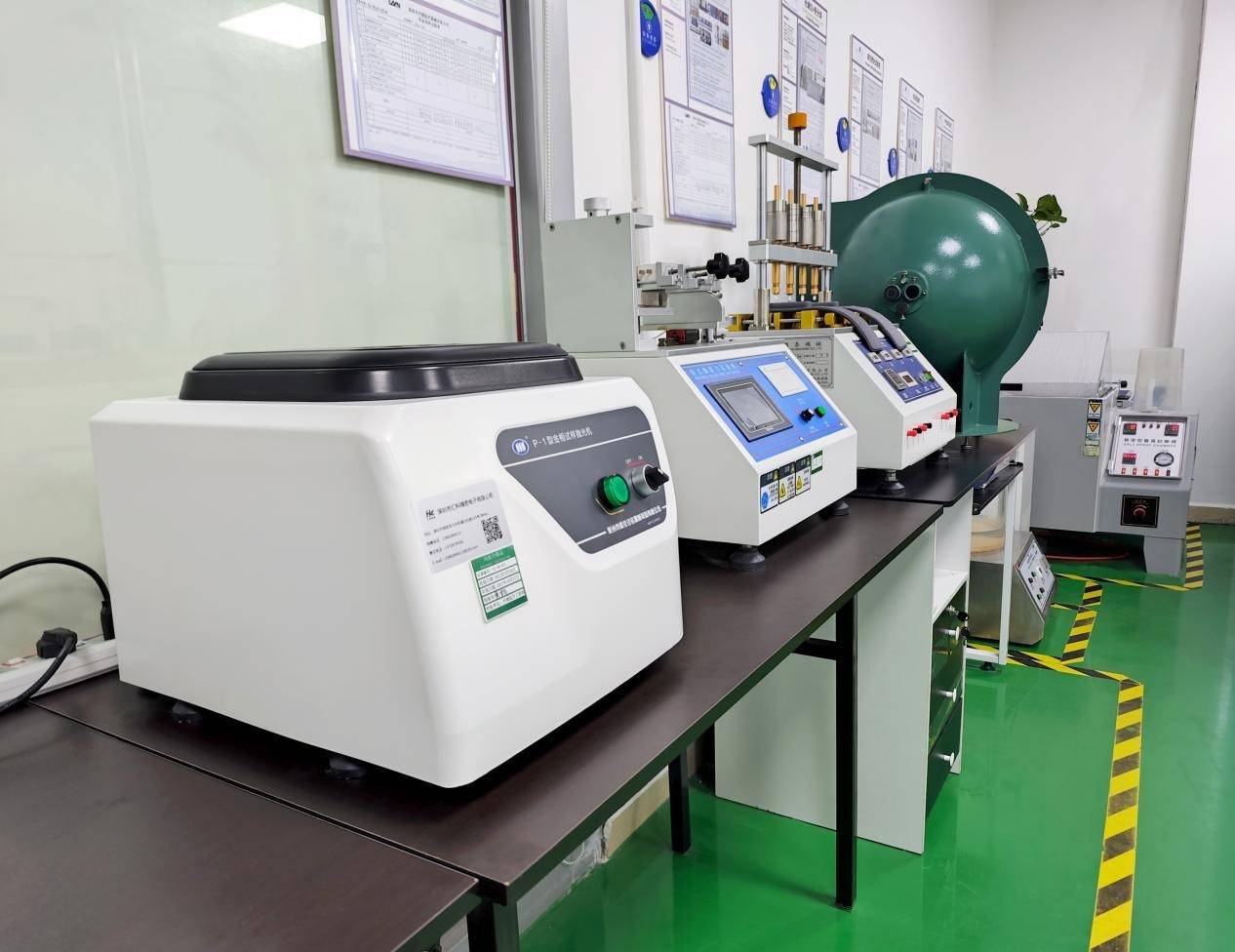
Red light therapy and PBM device efficacy and safety depend entirely on precise optical parameters: consistent wavelength accuracy, standardized irradiance output, and uniform light distribution across treatment surfaces. Many generic red light therapy device supplier brands advertise inflated wattage and performance numbers without third-party validation, creating major risks for clinical deployment and branded resale. This makes independent performance verification the top priority on any medical device supplier scorecard.
As a clinical engineer, prioritize suppliers that provide full, traceable performance documentation for both standard and custom devices:
• Independent spectroradiometer testing reports with defined testing distances and environmental parameters
• Batch consistency test records to confirm uniform output across mass production runs
• Performance data aligned with peer-reviewed PBM clinical research, not internal marketing claims
• Custom optical tuning validation for project-specific wavelength and irradiance adjustments
Pro Tip: Reject suppliers that only share summary spec sheets. B2B custom projects require raw testing data to confirm the device meets your clinical or branded product’s performance requirements before mass production begins.
2. Audit Genuine OEM/ODM Customization Capacity (Key Difference Between Manufacturers & Traders)
Most suppliers claim to offer “customization,” but the majority only provide surface-level modifications such as logo printing or custom packaging. To understandwhat is OEM manufacturing and how it differs from generic sourcing, B2B buyers must recognize true technical customization as the core differentiator between a trading company and a professional medical device contract manufacturer. Learning the difference between OEM and private label, as well as OEM vs ODM capabilities, is essential for launching viable private label red light therapy device and private label wellness device product lines.
Clinical engineers must verify these critical custom capabilities for red light therapy and PBM device projects:
• Optical customization: Adjustable wavelength combinations, irradiance calibration, and pulse mode settings for clinical, veterinary, or home-use scenarios
• Mechanical customization: Full housing redesign, structural modification, and size adjustment for specific deployment environments
• Firmware customization: Custom timers, dose calculation logic, smart system integration, and user interface programming
• Full private-label support: Custom branding, tailored user manuals, and market-specific packaging without generic factory markings
Pro Tip: Reliable B2B manufacturers maintain in-house R&D and engineering teams to support iterative custom adjustments. Avoid suppliers that outsource all design and development work, as this creates inconsistent quality and delayed revisions.
3. Confirm End-to-End Regulatory Compliance & Traceability (ISO 13485 & FDA 510(k))
Regulatory compliance is the foundation of scalable B2B medical device sales and clinical deployment. For red light therapy and PBM devices sold in the U.S., EU, and global markets, incomplete certification documentation leads to import bans, market removal, and liability risks for procurement teams and brand owners. Understanding what is ISO 13485 and vetting ISO 13485 certified companies is non-negotiable for B2B medical device sourcing. Buyers should also familiarize themselves with the FDA 510k clearance process and confirm partnerships with anFDA registered medical device manufacturer to ensure full market eligibility.
During supplier verification, clinical engineers must distinguish between basic factory certification and market-specific device clearance:
• ISO 13485 certification: The global gold standard for medical device quality management systems, confirming consistent production and process control for all ISO 13485 contract manufacturer partners
• FDA 510(k) clearance: Validates that devices meet U.S. market safety and performance benchmarks; working with an FDA registered medical device manufacturer streamlines the FDA 510k clearance process for private-label clients
• CE MDR compliance: Ensures alignment with European medical device regulatory requirements
• Full traceability records: Component sourcing logs, batch production records, and quality control reports for every custom device run
Pro Tip: Ask suppliers to clarify their regulatory support for private-label clients. Top-tier manufacturers provide submission guidance and documentation support to help B2B buyers launch compliant products globally without third-party regulatory delays.
4. Evaluate Mass Production QC & Scalable Contract Manufacturing
A supplier may deliver high-quality prototype units, but inconsistent mass-production quality ruins clinical operations and branded product reputations. Clinical engineers must verify structured quality control workflows designed for scalable medical device contract manufacturing industry projects. Reviewing terms within a formal contract manufacturing agreement ensures consistent quality, delivery timelines, and accountability for large and small-batch orders alike.
Key quality assurance checks for B2B device suppliers include:
• Strict incoming component inspection to eliminate defective raw materials before production
• In-production sampling and continuous burn-in testing for electrical and optical stability
• Full final-unit testing for every batch, with archived test reports for client review
• Proven scalability to support small-batch custom prototypes and large container orders equally
Pro Tip: Prioritize manufacturers with multi-factory production networks and standardized quality protocols. This structure eliminates batch-to-batch inconsistency, a common pain point for B2B resellers and clinical procurement teams.
5. Review Post-Production Support & Manufacturing Documentation (Due Diligence Checklist)
B2B custom medical device projects do not end after product shipment. Clinical facilities and private-label brands require ongoing support for design revisions, technical updates, and after-sales troubleshooting throughout the product lifecycle. This stage covers core items on a medical device manufacturer audit checklist and fulfills full medical device manufacturer due diligence requirements, answering critical questions to ask your medical device manufacturer before finalizing long-term partnerships.
Before recommending a supplier, confirm these post-delivery support terms:
• Included revision rounds for custom design and firmware adjustments
• Detailed technical documentation, including custom dose guides, user manuals, and testing archives
• Dedicated B2B account and engineering support for OEM/ODM clients
• Clear warranty terms and failure analysis support for clinical-grade custom devices
Many low-tier suppliers cut off technical support after shipment, forcing B2B buyers to absorb costly redesign and repair expenses independently. A reliable supplier prioritizes long-term partnership over one-time sales.
6. Verify Flexible Order Terms & Strategic Minimum Order Quantity Negotiation
A critical but often overlooked verification factor for clinical engineers and procurement teams is order flexibility. Many traditional medical device manufacturers enforce high minimum order quantities (MOQs), creating barriers for new private-label brands, small clinic networks, and startup hardware developers testing market demand. Effective minimum order quantity negotiation with your contract manufacturing partner drastically reduces launch risks for new private label light therapy devices and medical device product lines.
Trusted B2B device suppliers offer flexible order policies that support business growth at every stage, from prototype testing to mass market scaling. No-MOQ manufacturing models allow B2B buyers to launch custom red light therapy devices with minimal upfront risk and scale orders based on market performance.
Conclusion
Clinical engineers serve as the final line of quality and compliance control for medical device procurement and custom manufacturing partnerships. When evaluating red light therapy and PBM device suppliers for clinical deployment, private-label resale, or OEM collaboration, surface-level pricing and product specs are never enough.
Truly credible B2B medical device contract manufacturer partners stand out through verified optical performance data, genuine technical customization capabilities that clarify OEM vs ODM and private label differences, full ISO 13485 and FDA 510(k) regulatory traceability, consistent mass-production quality, dedicated post-sales engineering support, and flexible order terms. By implementing this structured medical device supplier scorecard and vetting checklist, clinical engineers eliminate supply chain risks, ensure regulatory compliance, and deliver reliable, market-ready medical devices for clinics and B2B brand partners.
For medical device professionals seeking a reliable custom light therapy device manufacturer with full OEM/ODM customization, FDA and ISO 13485 regulatory support, and flexible B2B order terms, working with a specialized medical-grade factory network streamlines every stage of custom device development and launch. Request the OEM catalog to review full contract manufacturing capabilities and compliance documentation for clinical and private-label light therapy projects.
FAQs
What is the biggest risk of choosing an unvetted red light therapy device supplier?
Unvetted red light therapy device supplier and contract manufacturing partners often provide inconsistent optical performance, incomplete regulatory documentation, and surface-level-only customization. These issues lead to clinical workflow disruptions, failed FDA or ISO 13485 market compliance checks, and costly batch rework for B2B buyers.
What customization should B2B medical device buyers prioritize?
B2B clients should prioritize optical tuning, firmware programming, mechanical redesign, and full private-label packaging customization when vetting a custom light therapy device manufacturer. Basic logo branding does not support differentiated clinical product positioning or scalable private label wellness device and private label light therapy devices business lines.
Do professional medical device manufacturers require minimum order quantities for custom projects?
Top B2B medical device manufacturers offer no MOQ policies to simplify minimum order quantity negotiation, allowing startups, small clinics, and new private-label brands to test custom device designs with zero volume barriers before scaling mass production via formal contract manufacturing agreement terms.
Why is ISO 13485 certification critical for custom PBM devices?
ISO 13485 certification standardizes medical device quality management systems, ensuring consistent production, traceable components, and compliant manufacturing processes required for global clinical and commercial deployment — making it the top qualification for all ISO 13485 certified companies and ISO 13485 contract manufacturer partners.
How can clinical engineers verify a supplier’s FDA compliance?
Engineers should review official FDA 510(k) clearance documents, factory registration records, and batch testing reports from every FDA registered medical device manufacturer. Reliable B2B suppliers provide full regulatory documentation to support clients throughout the entire FDA 510k clearance process for new device launches.
These statements have not been evaluated by the FDA. Kaiyan Medical devices and the information in this article are for educational and informational purposes only and are not intended to diagnose, treat, cure, or prevent any disease. Final marketing claims are the responsibility of the brand selling the device.
About the Author
Kaiyan Medical is a professional B2B OEM/ODM and medical device contract manufacturer specializing in photobiomodulation and red light therapy devices. With a 60,000m² ISO 13485 factory network, 1,200+ patents, and global regulatory certifications including FDA 510(k), CE MDR, and MDSAP, the brand supports custom device development for clinics, medical distributors, and private label red light therapy device partners across 100+ countries with flexible MOQ negotiation options and full contract manufacturing support.
Be the first to post comment!